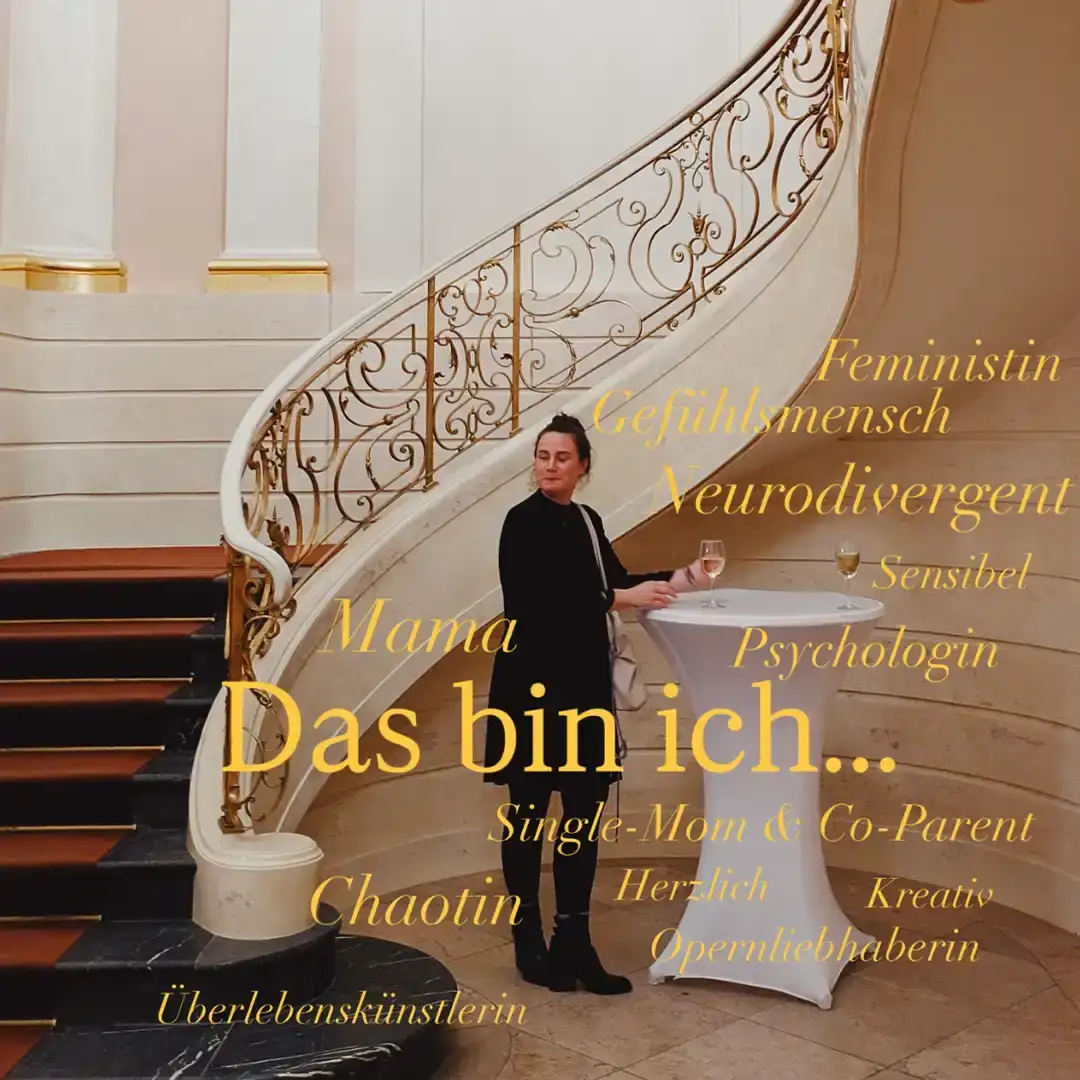
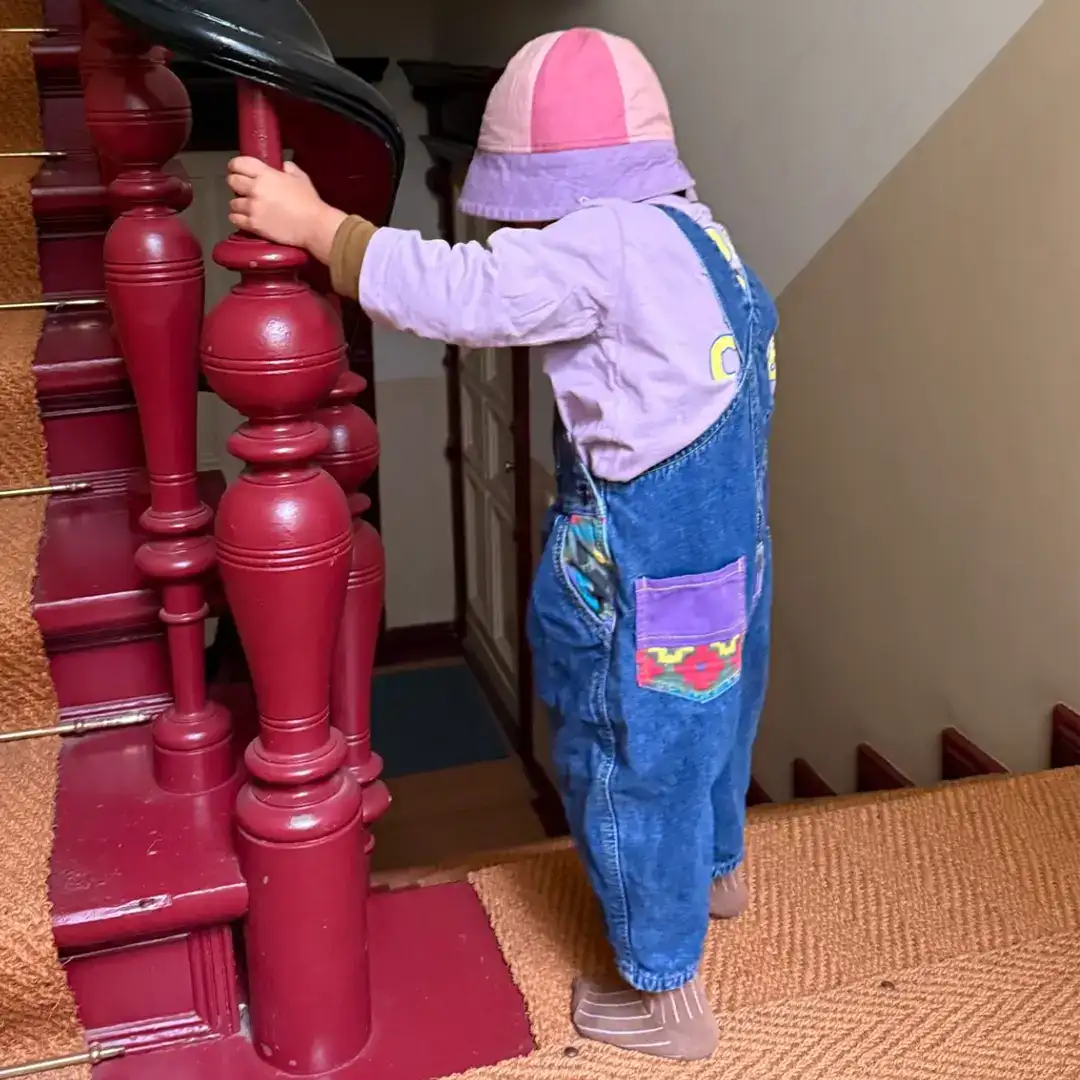
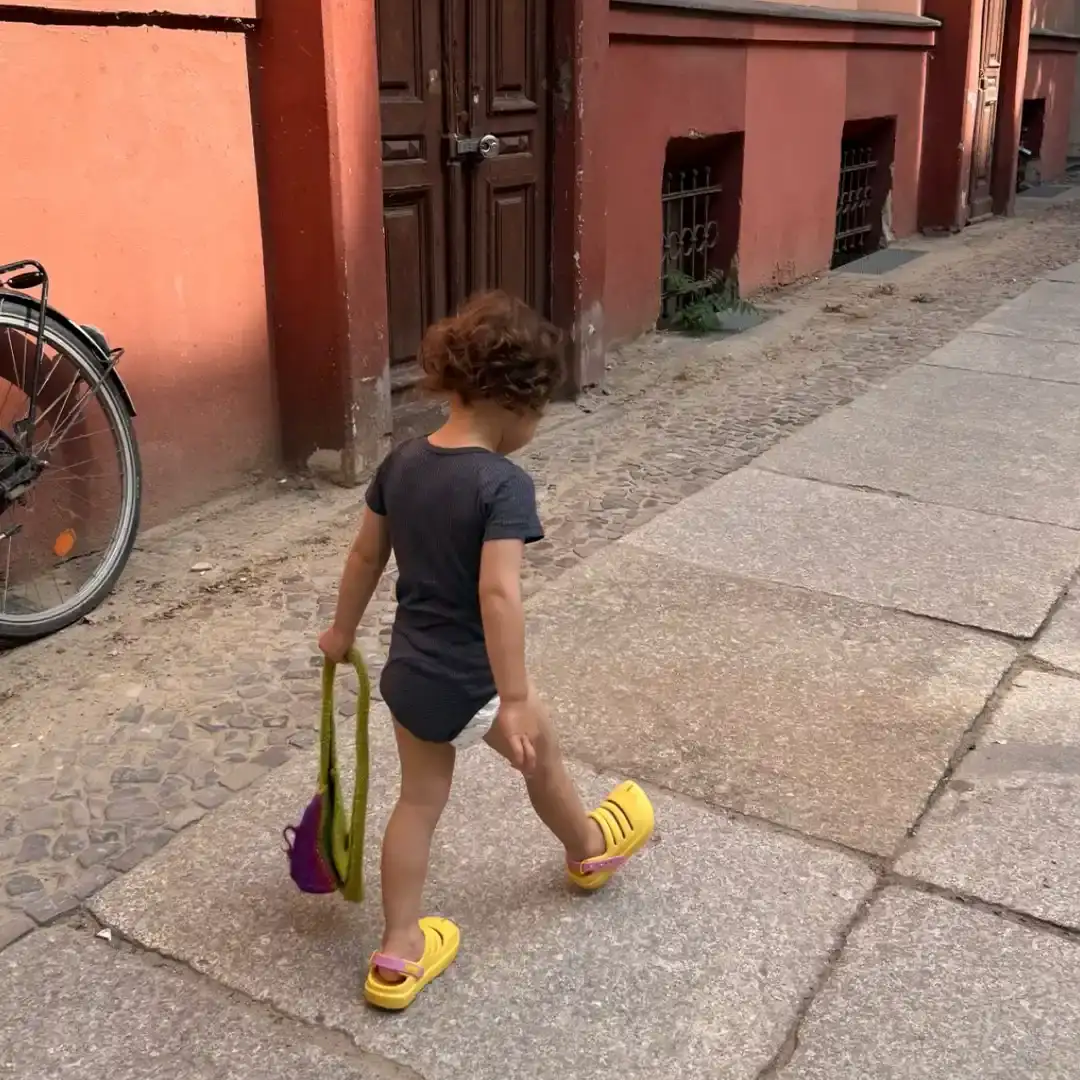
How much space does a child really need to grow? We spoke with psychologist Laura Hollmer about how she created a space for her child in a two-room apartment that exudes calm while also fostering independence.
How do you design a child’s room that not only looks beautiful but also supports their development? And how does that work if you live in a two-room apartment and share the living room with your child?
We spoke with psychologist and mom Laura Hollmer about this. In the interview, she explains why spaces influence children’s nervous systems and how furniture can help them become more independent.
How does interior design influence a child's development?
As a psychologist, I always view spaces as an extension of the nervous system. Children perceive their surroundings much more intensely than we adults do. That’s why it was important to me to create a place for my child that radiates calm but at the same time invites exploration. This is entirely in line with Maria Montessori’s philosophy: a prepared environment supports the child in exploring the world independently.
What role does furniture play in helping a child feel safe and secure?
For me, a sense of security doesn’t come from beautiful furniture, but from relationships. Furniture can, however, support those relationships. When my child can reach his books or toys on his own, he realizes: “I can do this by myself.” It’s exactly this kind of confidence that gives children an incredible boost.
How much visual stimulation can a child's brain handle?
I notice this very clearly with my child. When there’s too much stuff lying around, his attention keeps wandering. That’s why we regularly reorganize things together or swap out toys. For us, having fewer options actually leads to more creativity and longer play sessions.
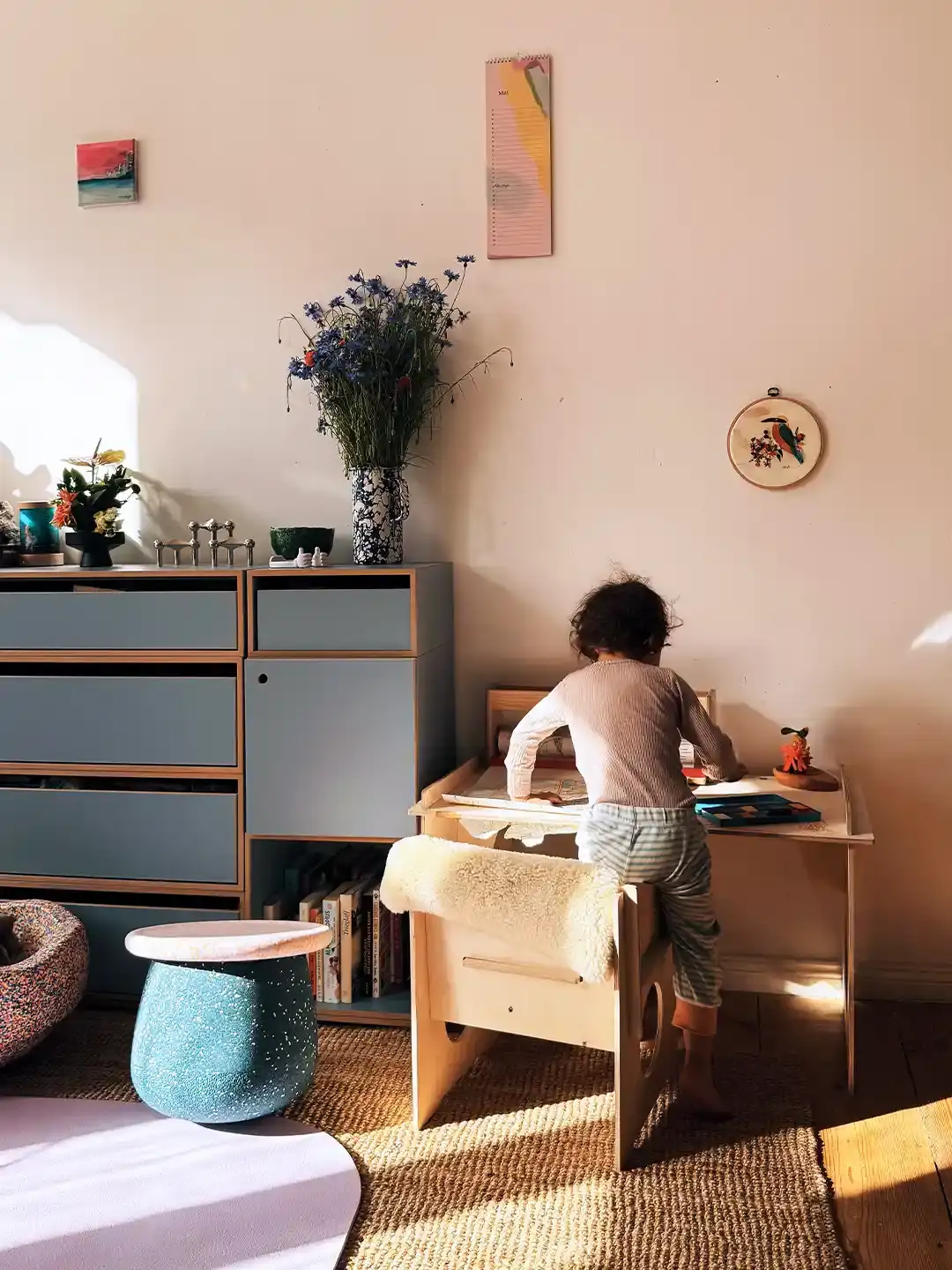
"For me, a sense of security doesn't come from beautiful furniture, but from relationships. Furniture can, however, support those relationships."
How should a child's room be designed to support their development?
Kids change incredibly fast, and their rooms should be able to change too. What’s a climbing area today might become a reading nook tomorrow. It was important to me to choose furniture that grows with my child and can be adapted to his needs time and time again.
What should you do when parents and children have different ideas?
I think children should have a say. Not about everything, but about things that affect their own little world. I want my child to feel that his ideas matter. To me, attachment-oriented parenting means finding solutions together, rather than simply making decisions over the child’s head.
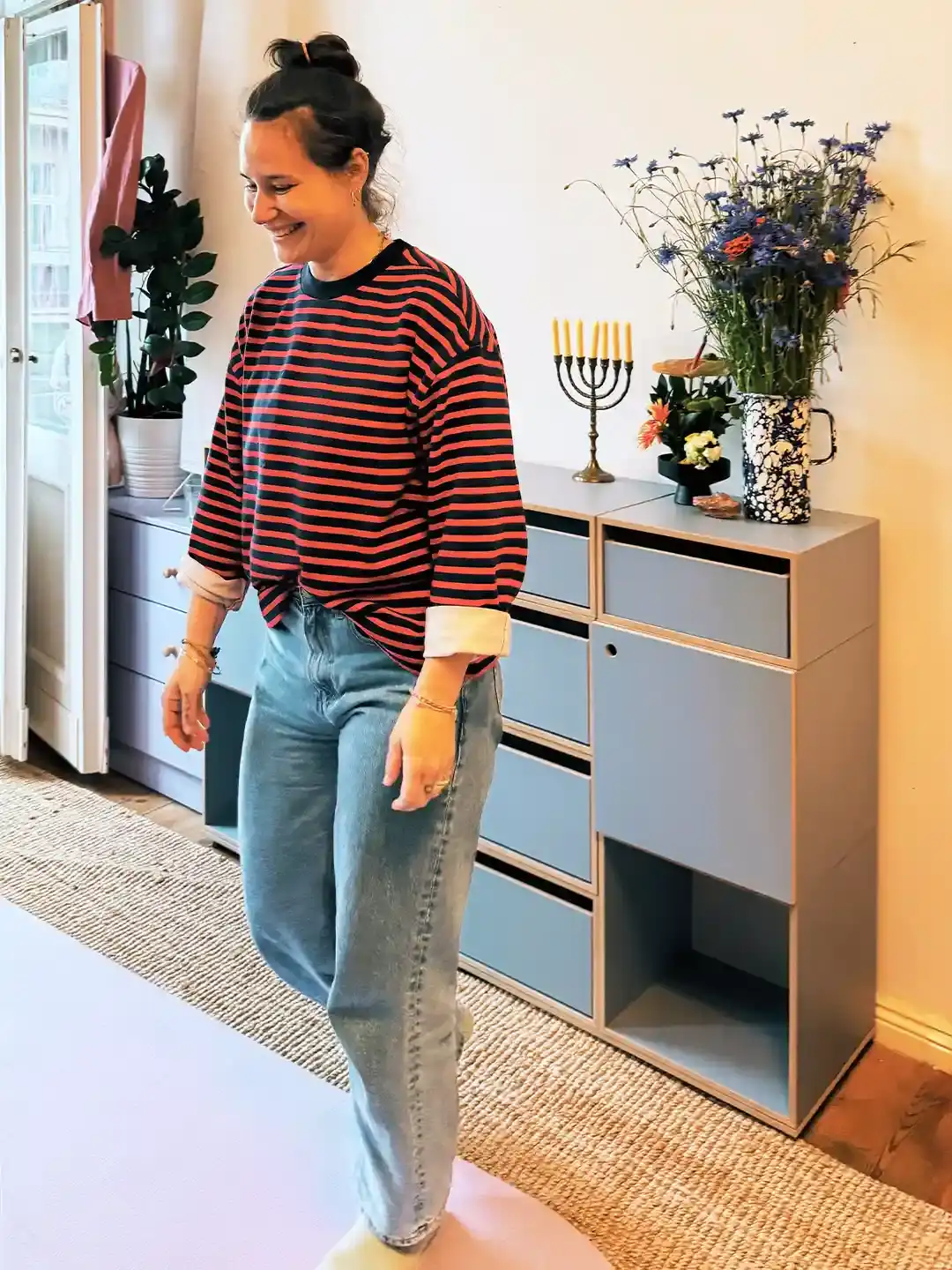
Why did you choose this sideboard?
For me, the sideboard had to be practical for everyday use above all else. I wanted my child to be able to reach his things on his own and put them away by himself. In my view, keeping things organized only works in the long run if children can do it themselves and aren’t constantly dependent on adults. Plus, since we only have a two-room apartment, there needs to be space for both my things and his. In that sense, we share the sideboard.
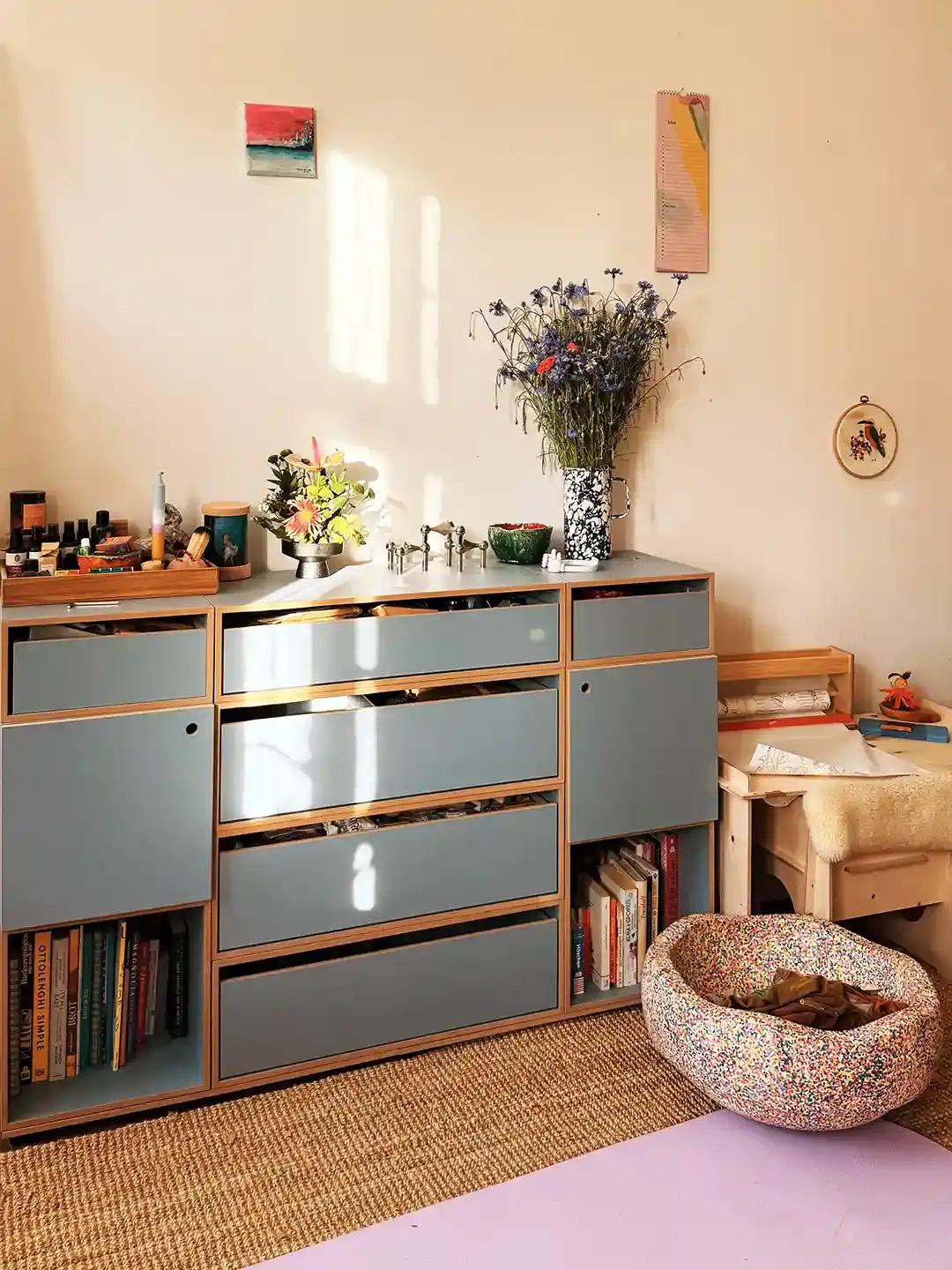
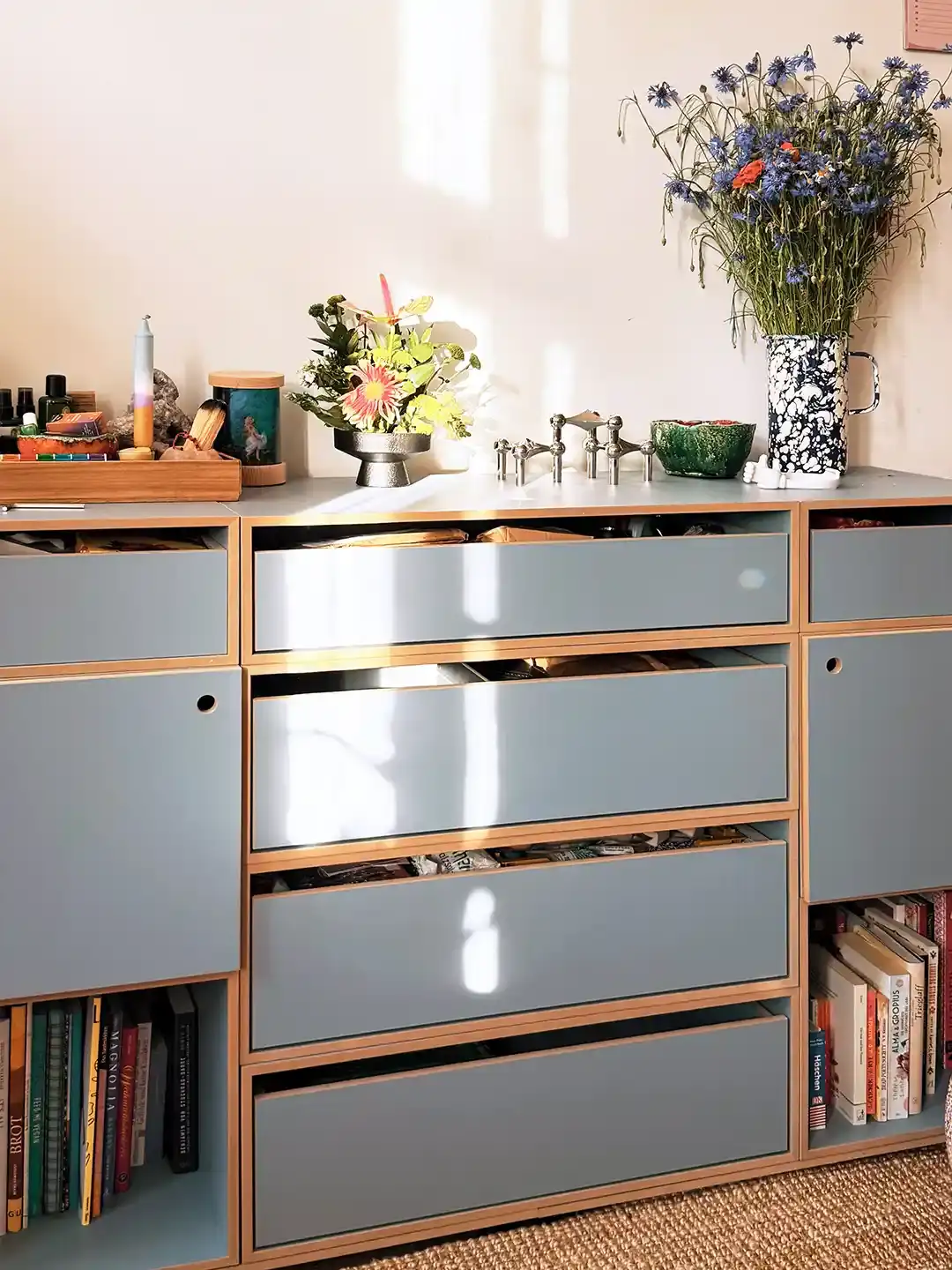
What role do colors play in a child's room?
I like calm, natural colors because they bring a sense of serenity to the room. At the same time, though, a child’s room should be lively. For us, color comes from the books, the pictures, the treasures collected from the forest, and, of course, my child. That feels more authentic to us than a perfectly staged child’s room. I prefer colorful furniture to colorful walls.
What really matters in a child's room?
If my work as a psychologist and my life as a mom have taught me one thing, it’s this: Kids don’t need a perfect room. They need a place where they can play, be loud, get creative, and feel safe. To me, that’s what makes a great kids’ room – and in our case, the living room is the kids’ room.
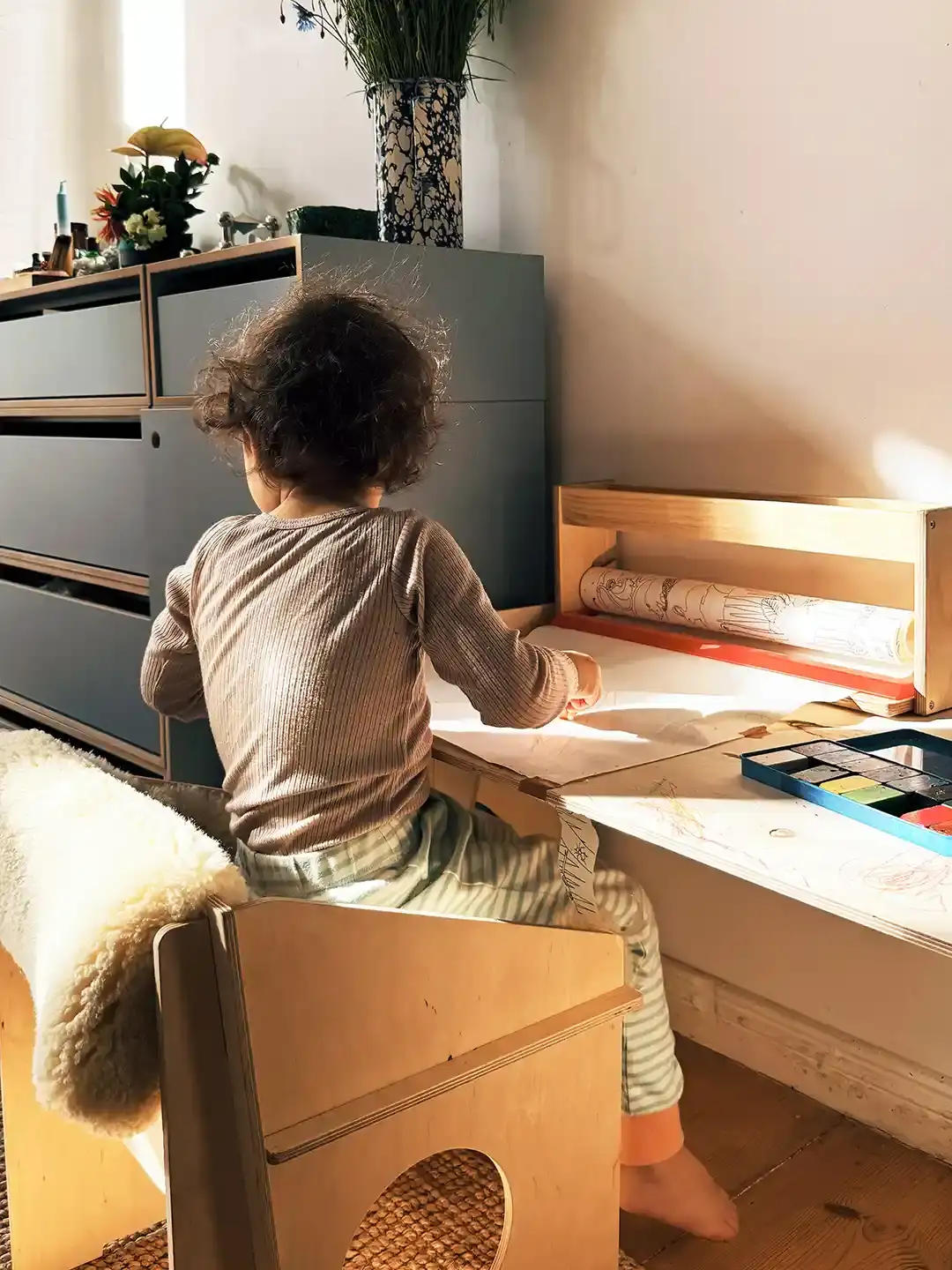
"In my view, keeping things organized only works in the long run if children can do it themselves and aren’t constantly dependent on adults."
Is minimalism a good idea for a child's room?
I don't believe in minimalism as a trend. I believe in making conscious choices. My child doesn't need a hundred toys – he needs things that spark his imagination and stay interesting for a long time. Fewer stimuli often create more room for creativity, and to be honest, that's usually good for us parents, too, especially in such a small space.